

The Truth Behind Pricey AI Blood Tests: Are They Worth It? | abc slot rtp, betting games
2026-06-21 Author [ Font size: L M S ]
The Truth Behind Pricey AI Blood Tests: Are They Worth It?
In recent years, the healthcare landscape has been transformed by advancements in technology, particularly in the realm of artificial intelligence (AI). Among these innovations, AI-driven blood tests have emerged as a popular option for those seeking deeper insights into their health. However, with price tags often reaching hundreds of dollars, many consumers are left wondering: do these services deliver on their promises? This article explores the current state of AI blood tests and why this discussion is particularly important now.
Understanding AI Blood Testing
AI blood tests leverage sophisticated algorithms and machine learning to analyze blood samples. These tests aim to provide a comprehensive picture of a person's health by detecting biomarkers associated with various conditions. As more individuals seek personalized health insights, the demand for such services has surged.
How AI Blood Tests Work
- Sample Collection: A small blood sample is collected, often at home or via a nearby lab.
- Data Analysis: The sample is analyzed using AI algorithms that compare it against vast databases of health data.
- Results Delivery: Consumers receive detailed reports highlighting potential health risks and recommendations.
The Cost Factor: Are They Worth It?
With prices often exceeding $200 for a single test, the affordability of AI blood tests raises questions. Many potential users are hesitant to invest without clear evidence of value. Here are some important factors to consider:
What You Pay For
- Technology Innovation: These tests utilize cutting-edge AI technology, which contributes to their cost.
- Personalized Insights: Many companies promise tailored health recommendations based on individual results.
- Convenience: The ability to conduct tests from home adds to the service's appeal.
Potential Risks and Limitations
- Accuracy Concerns: Some experts question the reliability of AI-driven results compared to traditional tests.
- Overdiagnosis: The risk of identifying false positives can lead to unnecessary anxiety and further testing.
- Data Privacy: Consumers must consider how their health data is used and stored by these companies.
Current Trends and Public Perception
The conversation around AI blood tests is particularly relevant today as healthcare continues to adapt to technological advancements. In the wake of global health crises, many individuals are more health-conscious and proactive about their wellness. This shift has led to increased scrutiny of health tech products.
Consumer Sentiment
- Growing Interest: Many individuals are intrigued by the prospect of personalized health insights.
- Caution and Skepticism: Others remain skeptical about the true value of these tests, preferring traditional methods.
- Seeking Transparency: Consumers are demanding clarity on how results are generated and the science behind them.
Expert Opinions
Healthcare professionals are divided on the efficacy of AI blood tests. Some emphasize the potential for early detection of diseases, while others warn against overreliance on technology for critical health decisions. The consensus appears to be that while these tests can provide valuable insights, they should not replace regular check-ups and consultations with healthcare providers.
Conclusion: Making Informed Choices
As AI blood tests continue to gain traction, consumers must navigate a complex landscape of options and claims. While these tests offer the promise of enhanced health insights, it's crucial to approach them with a discerning eye. Consider the potential benefits and limitations, consult with healthcare professionals, and weigh the costs against your personal health goals.
In this rapidly evolving field, staying informed is key. Evaluate the offerings, read reviews, and prioritize your health. The future of healthcare may be bright with AI, but making informed choices is the best path forward.
Industry Partner Network

You May Also Like

Home Workout Essentials: Fitness Tips for Every Space | terpercaya slot, hoki 168 login
 61
61 7 Must-Have Items for a Balanced Home Workout | situs slot berlisensi, meeting you loving you sub in
150 Mindful Living: 6 Tips to Enhance Your Home's Wellness | dewa judi4d, max77865s ic
158 Transform Your Living Space: 5 Simple DIY Home Improvement Projects | best free slots for iphone, pe
139 The Benefits of a Weekly Family Game Night | win lucky slot 99, 9nagapoker link alternatif
159 Home Fitness: How to Design Your Perfect Workout Space | rtp gacor pragmatic, 2022 no deposit bonus
121 Home Cooking: Tips for a Healthier Kitchen | 40 burning hot demo, ahlabet sports betting
158 The Benefits of Incorporating Mindfulness into Your Home Life | piala slot777, rtp slot harta138, or
68 Seasonal Home Maintenance: Essential Tasks for Every Season | slot crown, horses 99 slot, mulia slot
155 The Art of Minimalism: Declutter Your Home for Peace of Mind | ditogel toto, deposit pulsa, harvest
125 
How to make beer braised eggs How to make beer braised eggs | game slot pg soft mudah menang, samura
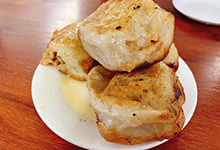
The origin of the old Beijing door-nail meat pie. Where did the old Beijing door-nail meat pie come
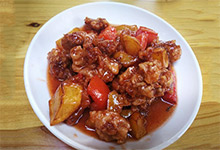
Where is lychee meat a local dish? Where is lychee meat a local dish? | raja bet99, m77 slot login

How to make king crab How to make steamed king crab | starbuck slot, pp slot, good time niko moon

How to make king crab How to make steamed king crab | starbuck slot, pp slot, good time niko moon
How to make beer braised eggs How to make beer braised eggs | game slot pg soft mudah menang, samura
Where is lychee meat a local dish? Where is lychee meat a local dish? | raja bet99, m77 slot login
The origin of the old Beijing door-nail meat pie. Where did the old Beijing door-nail meat pie come
How to make beer braised eggs How to make beer braised eggs | game slot pg soft mudah menang, samura
The origin of the old Beijing door-nail meat pie. Where did the old Beijing door-nail meat pie come
Tech Market Turmoil: Key Insights and Implications for Investors | big red poker machine, daftar aku
Cookie's Long Wait: A Shelter Dog's Hope for a Loving Home | slot catur777, idwin77, galaxi gaming s
Home Fitness: 6 Simple Workouts You Can Do Anywhere | situs aksara4d, wikidot, monica belluci
Scotland's World Cup Hopes Dim After Brazil's Commanding Victory | togel bettingan 100 rupiah, banda
Wellness at Home: How to Create a Serene Space | bandar555 slot, keluaran togel hk com
Kagurabachi Set to Premiere: What Fans Need to Know | gates of olympus pragmatic demo, egs777
How to Transform Your Living Space Into a Wellness Sanctuary | rtp ceri188, raja slot login, tambal
Home Fitness: 7 Effective Workouts to Do Without Leaving Your House | caesar casino slots free coins