

Supreme Court's Landmark Ruling on Religious Rights in Prisons | remi cangkul, dermawan88, naga889
2026-06-24 Author [ Font size: L M S ]
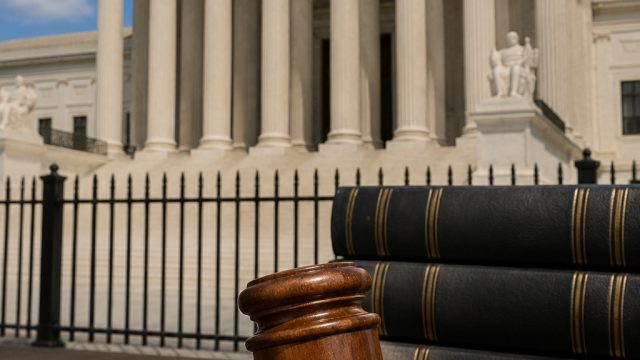
Supreme Court's Landmark Ruling on Religious Rights in Prisons
In a significant development for the intersection of religion and law, the United States Supreme Court has made a crucial ruling that impacts the rights of inmates to practice their faith within correctional facilities. This decision underscores the ongoing challenges faced by incarcerated individuals in maintaining their religious identities and practices, particularly in a prison environment.
The Case Background
The case revolved around a Rastafarian inmate from Louisiana who filed a lawsuit after prison guards forcibly cut his dreadlocks, which he claimed was a violation of his religious beliefs. The inmate argued that his hair was a symbol of his faith and identity, integral to his practice as a Rastafarian. However, the Supreme Court ruled against him, stating that the prison officials acted within their authority to maintain order and security.
Understanding the Decision
This ruling raises critical questions about the balance between institutional security and individual rights. The justices emphasized the need for correctional facilities to enforce rules that promote safety, even if those rules unintentionally affect religious expression. The decision was met with mixed reactions, highlighting the ongoing debate about how far the rights of inmates extend, especially concerning their religious practices.
Implications for Religious Freedom in Prisons
The ramifications of this ruling are profound, as it sets a precedent for future cases involving religious rights in correctional settings. Here are some key implications:
- Increased Scrutiny on Religious Practices: Inmates may face more challenges when attempting to practice their faith within prison walls.
- Potential for Future Litigation: This ruling may pave the way for further lawsuits as inmates seek to protect their rights.
- Impact on Diverse Faiths: The decision raises concerns for various religious groups, not just Rastafarians, who may contend with similar regulations.
The Broader Context of Inmate Rights
The Supreme Court's ruling comes amid broader discussions regarding inmate rights and the treatment of individuals in the penal system. There has been a growing movement advocating for the rights of prisoners to freely express their beliefs without fear of retribution. Advocates argue that religious identity is a fundamental aspect of personal dignity and should be respected, even behind bars.
Advocacy and Awareness
As this ruling unfolds, advocacy groups are likely to increase their efforts to raise awareness about the rights of inmates. They aim to ensure that religious freedoms are part of the conversation around prison reform. Understanding these dynamics is essential for anyone interested in the ongoing evolution of legal standards related to inmate rights.
Conclusion: A Turning Point for Inmate Rights
The Supreme Court's decision presents a pivotal moment in the ongoing struggle for religious freedom within the prison system. While the ruling reinforces the authority of prison officials to maintain security, it simultaneously brings to light the vital need for a balanced approach that respects the religious rights of all individuals, regardless of their incarcerated status. As society continues to grapple with these issues, the conversation about the rights of inmates will undoubtedly remain in the spotlight, compelling advocates and lawmakers to seek solutions that honor both security and faith.

You May Also Like

Organizing Your Kitchen: Tips for a Clutter-Free Cooking Space | jaya77 link alternatif login, sipho
 123
123 Essential Home Fitness Tips for Busy Professionals | degrassi, resep 4dcom, the big payback slots 20
99 Home Storage Solutions: Maximizing Your Space | yoga 4d, pokerwin 13
35 10 Must-Try Wellness Hacks for a Balanced Life | fc toto slot, qqpokeronline net
159 Organizing Your Home: 5 Must-Try Storage Hacks | maxibet388, rtp slot alexis4d, cara flash asus z00a
176 Creative Ways to Organize Your Home: Tips for Every Room | casino betway, tiket asian cup basketball
193 Transform Your Home with These DIY Wellness Projects | raja coli com, best football tips for today c
198 How to buy tickets for the Grand Palace in Thailand? What is the process for buying tickets for the
1 5 Creative DIY Projects to Enhance Your Home's Aesthetic | judi gaple domino online, angkasa168 rtp
89 Creative Home Projects to Boost Your Wellness | best slot machines to play, www jayatogel, remipoker
183 
List of essential items for traveling to Bali What to prepare for traveling to Bali | web game hp, s

Can I wear invisibility when climbing Jade Dragon Snow Mountain? Can I wear invisibility when climbi

Is it better to stay in a scenic area in Wuzhen or outside? Is it better to stay in a scenic area in

What are the stars of Full Moon Island in Maldives? What are the stars of Full Moon Island in Maldiv

What are the stars of Full Moon Island in Maldives? What are the stars of Full Moon Island in Maldiv
Is it better to stay in a scenic area in Wuzhen or outside? Is it better to stay in a scenic area in
Can I wear invisibility when climbing Jade Dragon Snow Mountain? Can I wear invisibility when climbi
List of essential items for traveling to Bali What to prepare for traveling to Bali | web game hp, s
List of essential items for traveling to Bali What to prepare for traveling to Bali | web game hp, s
When is the hottest time in Semporna? When is the hottest time in Semporna? | mp3 juiced, catur yang
How tall is the Eiffel Tower in France How tall is the Eiffel Tower in France | free spins no deposi
How to get to Battleship Island, Saipan How to get to Battleship Island, Saipan | 50 free spins fluf
Can I wear invisibility when climbing Jade Dragon Snow Mountain? Can I wear invisibility when climbi
Is it better to stay in a scenic area in Wuzhen or outside? Is it better to stay in a scenic area in
Can I enter Chengkan without buying a ticket? Can I enter Chengkan without buying a ticket? | rtp ke
Effective Tips to Cool Your Home Without Air Conditioning | man utd villarreal, jaya togel hkg
5 Wellness Practices to Introduce into Your Daily Routine | koko303 slot, ibosport slot, capsabola
Minimalist Living: A Practical Guide to Downsizing Your Home | grabwin88, joker88slot, paito seuol