

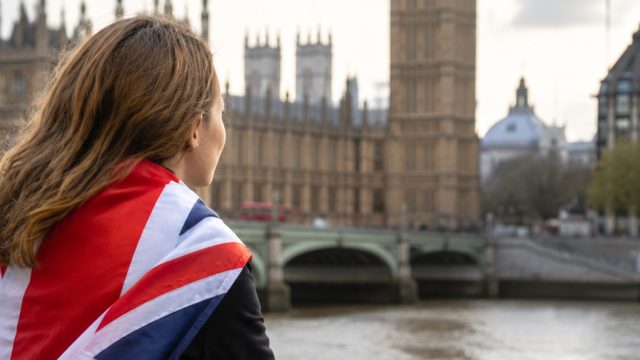
Reflecting on a Decade Since Brexit: What's Next for the UK?
As we mark the tenth anniversary of the Brexit referendum, it's an opportune moment to reflect on the pivotal changes that have shaped the United Kingdom since that historic vote in June 2016. The decision to leave the European Union has not only redefined the UK's political landscape but has also had profound implications for its economy and society. Understanding these impacts is crucial as we navigate the future.
The Immediate Aftermath: Economic Shifts
Immediately following the Brexit vote, the UK faced significant economic turbulence. The uncertainty surrounding the future relationship with the EU led to fluctuations in the stock market and a depreciation of the pound. Investors were cautious, and businesses grappling with new trade regulations had to reassess their strategies.
Trade Relations and Market Access
One of the most pressing concerns was the UK’s access to the EU single market. Here are some key takeaways from the last decade:
- Tariff Changes: New tariffs and trade barriers emerged, impacting goods and services between the UK and EU nations.
- Supply Chain Adjustments: Many businesses were forced to rethink their supply chains, often looking beyond Europe for partnerships.
- Investment Trends: The initial shock led to a decline in foreign direct investment, though recent trends show recovery in certain sectors.
Political Landscape: A New Era
Politically, Brexit has reshaped the UK's governance and its relationship with Europe. The departure created divisions within political parties and among the populace.
Internal Divisions and Leadership Changes
Brexit has catalyzed a series of leadership changes and challenges:
- Party Realignment: Traditional party loyalties shifted, with political parties forced to clarify their stances on Brexit.
- Leadership Turmoil: Several Prime Ministers have come and gone, each navigating the complexities of post-Brexit governance.
- Devolution Tensions: The relationship between the UK government and devolved administrations has been tested, especially in Scotland and Northern Ireland.
Societal Changes: A Divided Nation
On a societal level, the repercussions of Brexit are just as significant. The referendum exposed deep-rooted divisions within the UK population, which continue to influence discussions today.
Public Sentiment and Community Impact
As we assess the last ten years, public sentiment surrounding Brexit remains mixed:
- Changing Attitudes: Initial enthusiasm among some voter segments has turned to skepticism as the realities of Brexit unfold.
- Community Responses: Grassroots movements and community discussions have emerged, aiming to bridge divides and foster dialogue.
- Impact on Immigration: Shifts in immigration policies have led to changes in workforce dynamics and cultural integration across the UK.
Looking Ahead: The Road to Recovery
The future of the UK in a post-Brexit landscape remains uncertain, but there are promising signs of recovery and adaptation:
- Emerging Industries: Innovation in technology and green energy is becoming a focus, presenting opportunities for growth.
- Strengthening Global Ties: The UK is actively pursuing trade deals beyond Europe, seeking new markets to bolster its economy.
- Community Building: Initiatives aimed at fostering unity and addressing societal divides are gaining traction, emphasizing collaboration.
Conclusion: Embracing Change
The tenth anniversary of the Brexit vote serves as a reminder of the complexities and challenges that have emerged since the UK’s departure from the EU. While there have been significant hurdles, the ability to adapt and evolve remains paramount. As the UK moves forward, embracing change and fostering dialogue will be essential in shaping a cohesive future for all its citizens.